


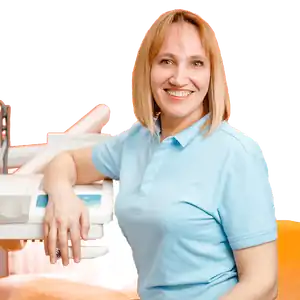
Natalia Mikhailovna Vedernikova
Chief physician of the clinic. General Dentist, Orthodontist, prosthodontist, Gnathologist
Book a consultation
Triumf Denta
Leave your details and our administrator will contact you to arrange a convenient appointment time.
Crowns and veneers · Ozerki · Saint Petersburg
Veneers are used to improve the shape, colour and certain defects of front teeth. The dentist selects the material and restoration method after diagnosis.
Veneers are thin coverings on the front surface of a tooth to improve its appearance. They do not replace missing teeth or address every restoration need: suitability depends on tooth condition and bite.
Appointments at Triumph-Denta: Saint Petersburg, Lunacharsky Ave. 7, bldg. 1 — near Ozerki metro station and Prospekt Prosveshcheniya metro station.
Your dentist will prepare a personalized treatment plan
Veneers are thin coverings on the front surface of a tooth to improve its appearance. They do not replace missing teeth or address every restoration need: suitability depends on tooth condition and bite.
Veneers may be considered for persistent discolouration, chips, certain shape defects and gaps between front teeth. Enamel, gums and bite are assessed first. If tooth position is a concern, the dentist considers orthodontics rather than automatically replacing it with veneers.
The main options are ceramic and composite veneers. Their materials and fabrication methods differ. Selection depends on tooth condition, aesthetic needs and the preparation required.
Ceramic coverings are made from impressions or digital data, then tried in and bonded. Shape, shade and preparation are agreed with the dentist. The material is selected after assessing enamel and loading.
E-max is a lithium-disilicate ceramic restoration option. Suitability and fabrication method are discussed after diagnosis. The current price list has no separate E-max veneer tariff.
Composite material is applied and shaped on the tooth, then polished. Preparation and care depend on the tooth’s initial condition. The separate composite veneer page describes this treatment in more detail.
In the smile zone, shape, colour and matching neighbouring teeth are assessed. The decision depends on enamel condition, damage, bite and aesthetic needs. Significant damage or tooth-position problems may call for a crown, restoration or orthodontic treatment.
Below are the clinic’s existing tariffs for veneers and composite veneers. Cost and treatment scope are agreed after diagnosis. The general “Veneers” entry is not a separately confirmed ceramic or E-max tariff.
| Services | Price |
|---|---|
| VeneersOffer −20%With participating doctors | from 28000 ₽ |
| Composite | from 35000 ₽ |
Material, the number of teeth restored, fabrication method and preparation affect cost. Additional tooth and gum treatment is discussed separately in the individual plan and is not automatically included in the listed tariff.
The main stages are diagnosis and planning, shape and shade selection, preparation, fabrication or modelling, fitting and bonding or composite shaping, bite checks and aftercare advice. This describes the process and does not promise every procedure in one tariff.
Examination, investigations as indicated, discussion of alternatives, and selection of shape, shade and material.
Any prior treatment needed and tooth preparation. Impressions or digital data are obtained for ceramic veneers; composite is shaped on the tooth. A temporary restoration is used if needed.
Shape, shade and contacts are checked, ceramic is bonded or the composite restoration completed, followed by polishing and advice. The number of visits depends on the method and preparation needed.
The extent of preparation depends on enamel condition, tooth shape and the restoration. Preparation may be needed, and a fixed percentage of enamel preservation cannot be promised. Irreversible preparation and alternatives are discussed before treatment.
A veneer corrects the front surface, a crown restores a tooth with more extensive coverage, and a composite restoration may address a specific shape defect. Selection depends on remaining tissue and loading. Orthodontics is considered separately for tooth-position concerns.
Decay, gum inflammation, enamel condition, bite and bruxism are assessed before treatment. Findings may require prior treatment or another restoration method. Material tolerance and pain control are discussed with the dentist. Fit and contacts are checked at fitting; freedom from complications cannot be guaranteed.
Service life depends on material, initial tooth condition, loading and care; an exact lifespan is not guaranteed. Clean teeth and interdental spaces, avoid chewing hard objects and attend reviews as agreed with the dentist. If you grind your teeth, the dentist assesses the need for a guard. Contact the clinic for chipping or discomfort.
Dentists associated with this service or treatment area.
Chief physician of the clinic. General Dentist, Orthodontist, prosthodontist, Gnathologist
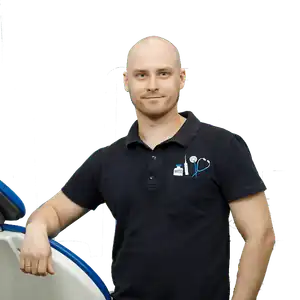
Implantologist surgeon, prosthodontist

Врач Стоматолог общей практики, ортопед
Offer −20%With participating doctors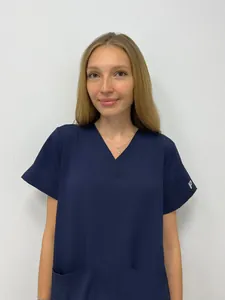
Врач Стоматолог общей практики, ортопед
Triumph-Denta is located at Saint Petersburg, Lunacharsky Ave. 7, bldg. 1, in Vyborgsky District, Saint Petersburg. The main landmark is Ozerki metro station; Prospekt Prosveshcheniya metro station is also nearby. The clinic is also conveniently accessible from Udelnaya metro station. Choose a route below.